The curved tails of a morning suit were first cut for riding a horse
Before it became a wedding classic, the morning coat was cut for a 19th-century horse ride, and its name means daylight, not breakfast time.
Continue →
Couples once had their names read aloud in church three Sundays before marrying
For centuries, couples heard their names read out in church three Sundays before the wedding. Here is why, and where the banns still matter.
Continue →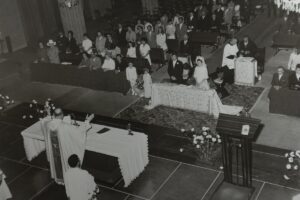
Brides in Greece keep their birth name for life, but Japanese couples must share one
Whether you can change your last name after the wedding depends on where you marry, from Greece and Quebec to Spain and Japan.
Continue →
Jumping the broom was a public vow for couples the law refused to marry
For enslaved couples who could not legally wed, one leap over a broom before witnesses became a marriage. Here is how the custom lived on.
Continue →
Why German couples sweep up a pile of broken porcelain before their wedding
At a Polterabend, guests smash plates the night before the wedding, and the couple cleans it all up together, for a surprisingly sweet reason.
Continue →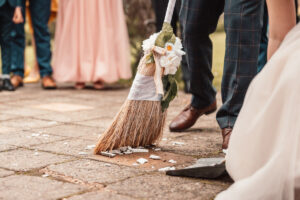
Handfasting was once a legal wedding in England, but the ribbon came much later
Joining hands once made an English marriage legally binding for centuries. The ribbon many couples use today is a far more recent addition.
Continue →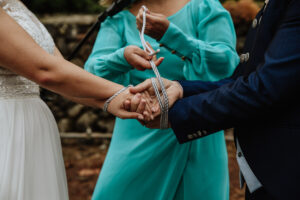
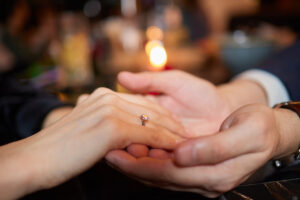
Who keeps the engagement ring after a breakup depends on where you live
In Michigan the ring goes back, in England it is presumed a gift, and in Australia one woman paid A$15,250 for throwing hers away.
Continue →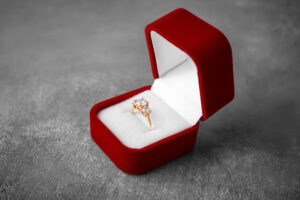
In Germany, skipping eye contact during a toast is jokingly said to bring bad luck
From Prost to Skål to kanpai, the words wedding guests say when raising a glass hold sweet surprises, and a few customs worth borrowing.
Continue →
Flower girls once carried garlic and wheat down the aisle, not petals
Long before baskets of rose petals, flower girls walked ahead of the bride with wheat, garlic and rosemary, each chosen for a reason.
Continue →
The two months salary rule for engagement rings started as a diamond ad
Before World War II, only 1 in 10 American engagement rings held a diamond. The famous salary rule came later, straight from a marketing campaign.
Continue →