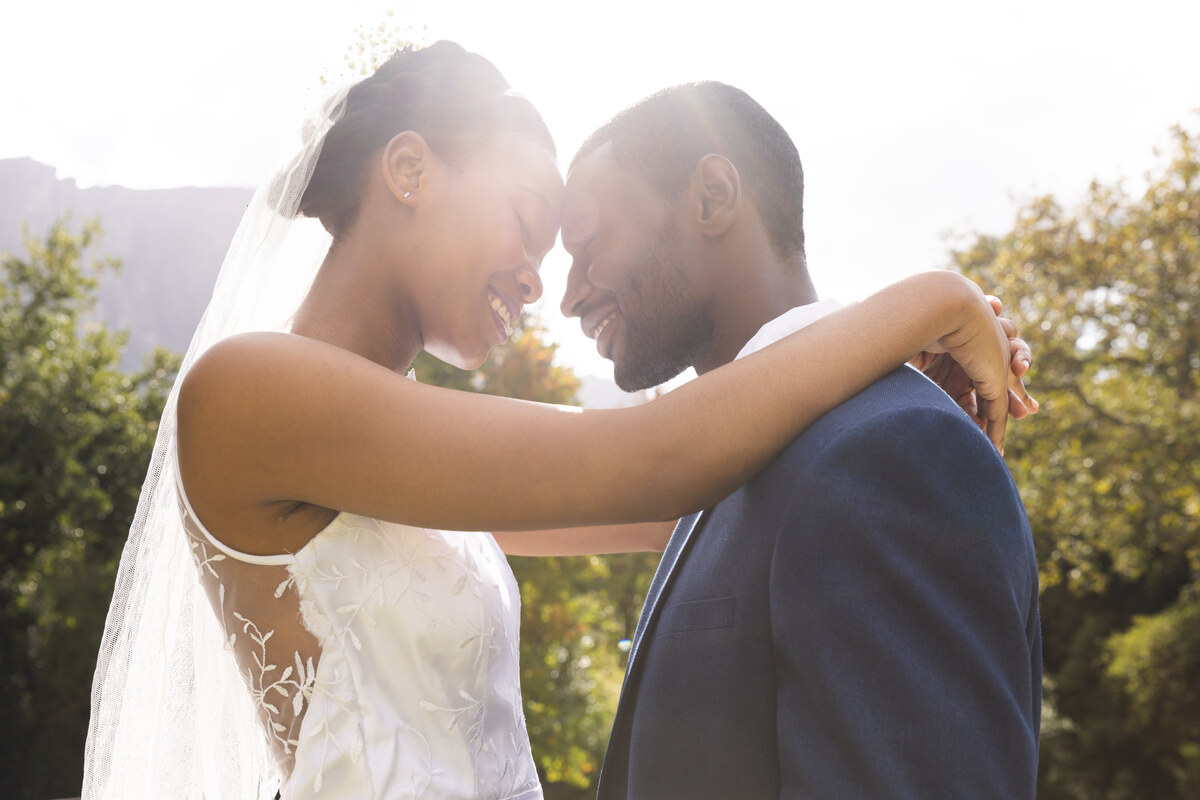
At the end of many weddings, the newlyweds take each other’s hands and jump over a broom laid across the floor. It looks like a playful little moment, yet for generations of couples it was the only wedding they were allowed to have.
A vow made in front of witnesses
In the Southern United States, records from the 1840s and 1850s describe enslaved couples jumping the broom to mark their marriage. Most of them could not marry legally. Marriage was a civil contract, and civil contracts required the consent of free persons.
So the community created its own way to tell a committed union from a casual one. A couple jumped the broom before witnesses, as a public announcement that they chose to become as nearly married as was then allowed. Former slaves recalled the custom in their own narratives, among them George Eason, from Georgia, who described how people jumped the broom to get married.
Once Black Americans were free to marry legally, the leap itself faded in many places. The words stayed, though: “jumping the broom” simply came to mean getting married.
How Roots brought the broom back
The custom never vanished entirely, surviving on a small scale in rural communities. Its big return came after Alex Haley published Roots, followed by the miniseries in 1977. African American and Black Canadian couples began including the broom in their ceremonies again, often as the very last moment of the ceremony.
Folklorist Alan Dundes summed up that turnaround in 1996: “a custom which slaves were forced to observe by their white masters has been revived a century later by African Americans as a treasured tradition.” In 1992, Danita Rountree Green even devoted a whole book to it, Broom Jumping: A Celebration of Love.
Britain had broomstick weddings too
Across the ocean, the phrase had a very different life. From the 1760s, English writers used “broomstick marriage” to describe a hasty or doubtful union, often an elopement. In 1789, a satirical song in The Times even teased the rumored secret marriage of the Prince Regent and Maria Fitzherbert as “hopping o’er a broom.”
When the Marriage Act of 1836 introduced civil weddings, critics mocked it as the “Broomstick Marriage Act”. Charles Dickens slipped a marriage “over the broomstick” into Great Expectations, confident his readers would understand it meant an informal arrangement.
In Wales, Romani couples who eloped would leap over a branch of flowering broom (the plant that gave the household tool its name) or a besom. In some local versions the broom was propped at an angle in the doorway, and the groom jumped first, followed by the bride.
Where the custom really began is still debated
Historians do not agree on the origins. Legal historian Rebecca Probert found no evidence that British couples actually jumped a broom to seal an informal union, and suggests the phrase simply meant something makeshift. Historian Tyler D. Parry disagrees. In his book on the ritual, he describes real cultural exchange between rural British communities and enslaved African Americans in the 18th and 19th centuries.
A West African root has also been suggested, through a Ghanaian custom of waving brooms over the heads of newlyweds and their parents, but there is no direct evidence for it, and Parry considers the link weak.
Making the tradition your own
If you are drawn to jumping the broom, there is no single correct way to do it. Couples today jump together or one after the other, usually right as the ceremony ends. In parts of England, Wales and the Scottish borders, couples once jumped a broomstick laid across the threshold of their new home.
What matters most is the meaning you bring to it. For some families it honors ancestors who had to invent their own wedding; for others it is a joyful leap into a shared home. Either way, it is a small step carrying a great deal of history.