Right after a Jewish couple is married, a glass crashes to the floor and the room erupts in cheers. The sound is joyful, but the custom behind it may have started as a way to calm a party that was getting too loud.
A rowdy wedding in the Talmud
The exact origin of breaking the glass is unknown, and many explanations have been offered over the centuries. One of the best known rests on a sense that joy should always be tempered.
That idea draws on two accounts in tractate Berakhot of the Babylonian Talmud. In both, rabbis saw that the celebration for their son’s wedding was getting out of hand, so they broke a vessel to bring the mood back down. In the second story, the vessel was a glass.
Later scholars connected those stories to the wedding custom. Tosafot and the Vilna Gaon were among the earliest to do so.
What happens under the chuppah
Depending on local custom, the groom breaks the glass either after the bride has received her ring or at the very end of the ceremony. He crushes it with his right foot, and guests often respond by shouting “mazel tov.”
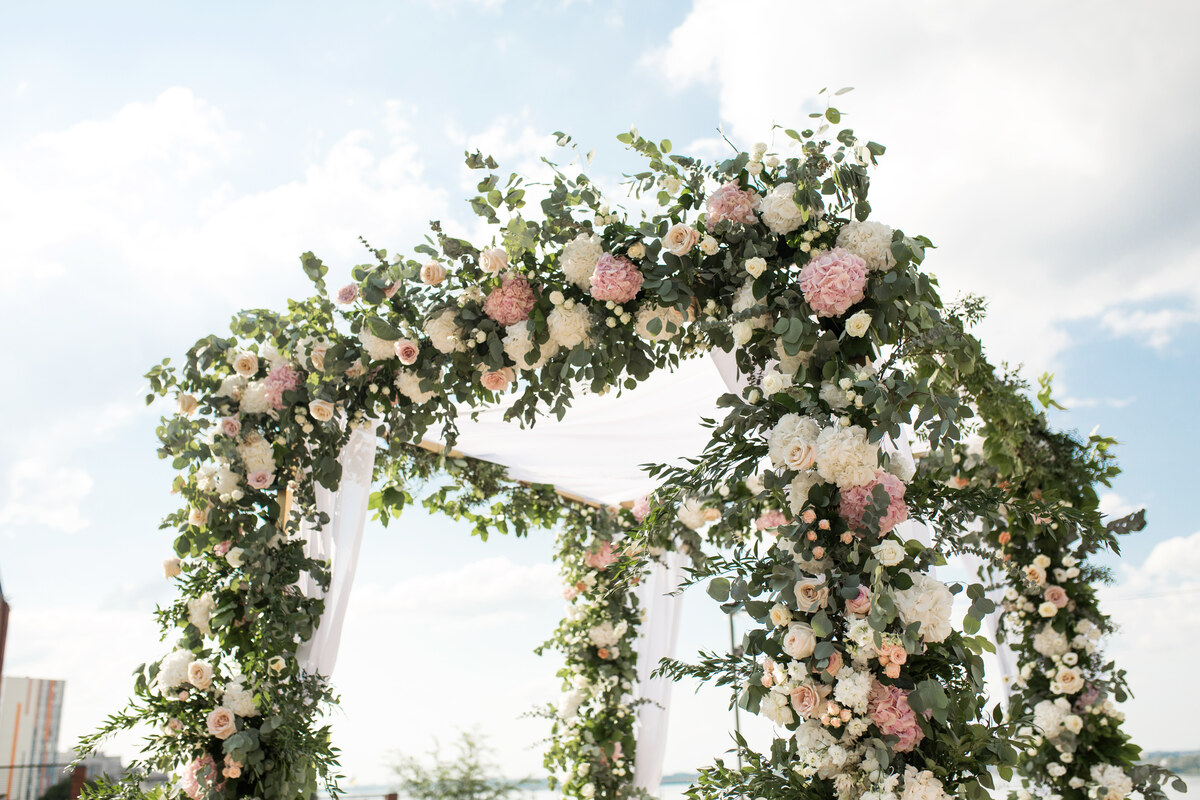
The moment sits within a ceremony full of symbolism. The couple stands beneath the chuppah, the wedding canopy that represents the home they are about to build together. The seven blessings are recited over a cup of wine, and the ketubah, the marriage contract, is read aloud.
Soon afterward, many Ashkenazi couples enjoy yichud, a private pause of about 8 to 20 minutes alone in a quiet room. Today they often use it to eat and relax together before the dancing begins, which gives the day a gentle, balanced rhythm.
A second meaning: remembering Jerusalem
Breaking the glass is also linked to grief. Even in the middle of a wedding, Jews still mourn the destruction of the Temple in Jerusalem, and some recite verses 5 and 6 of Psalm 137 at this point: “If I forget thee, O Jerusalem.”
Many other reasons have been given by traditional authorities, which is part of why the custom feels so rich. Each couple can lean toward the explanation that speaks to them.
A custom that keeps changing
Not everyone has loved the modern version. Ovadia Yosef, a former Sephardic Chief Rabbi of Israel, criticized the way the moment is sometimes carried out. He said that many people “fill their mouths with laughter” and shout “mazel tov,” turning a custom meant to express sorrow into “an opportunity for lightheadedness.”
Others have adapted the tradition in a different direction. In Reform Judaism, there is a newer custom in which the bride and groom break the wine glass together.
What to take from it
If you are planning a Jewish ceremony, or attending one, the glass is a lovely reminder that a wedding holds more than one feeling at once. Joy comes first, but a moment of reflection sits right beside it.
Talk with your rabbi or officiant about when the glass is broken in your community, who will do it, and what words, if any, will go with it. Then get ready for the cheer.