Oktoberfest began as a royal wedding, and many Alpine brides wear dirndls
The first Oktoberfest in 1810 celebrated a royal wedding, and Alpine brides still wear their finest dirndl, in colors that were never only white.
Continue →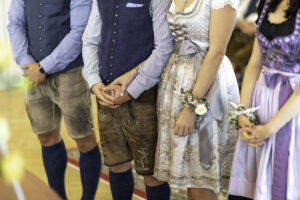
Traditional Chinese weddings had two banquets, one on each side of the family
The Chinese wedding feast could matter more than the ceremony, and it came in two parts with two very different jobs.
Continue →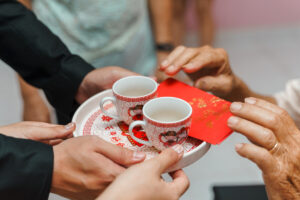
The red sindoor of Hindu weddings is traditionally made from turmeric and lime
Before red lead and cinnabar, sindoor was just turmeric and lime. The story behind the red powder in a Hindu bride’s hair parting.
Continue →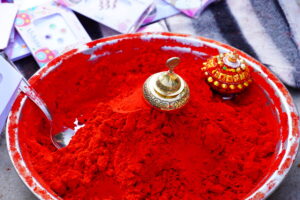
Many Thai and Chinese families return part of the bride price to the couple
In Thailand and China, a bride price is often handed back to the couple in part or in full, which says a lot about what it means.
Continue →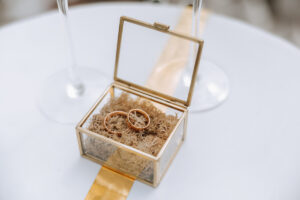
Some couples elope to Cyprus even when both families approve
In Lebanon, some couples fly to Cyprus for a civil wedding with full family approval. The reason is legal, not rebellious.
Continue →
Aso ebi, the matching wedding fabric of Nigeria, literally means family cloth
Friends and family wear the same fabric at Yoruba weddings, a custom rooted in the idea that a close friend is kin.
Continue →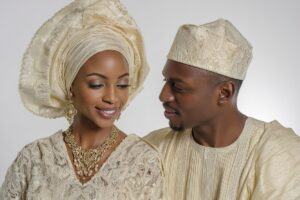
Breaking the glass at a Jewish wedding may have begun as a way to calm a rowdy party
The crash of a glass under the chuppah may date back to Talmud stories of rabbis who quieted a wedding that was getting out of hand.
Continue →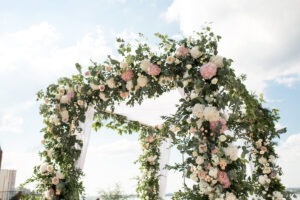
Ancient Rome had a law capping how much a wedding feast could cost
Two thousand years before wedding spreadsheets, Roman law set a maximum price for the wedding feast. Here is how Romans planned the big day.
Continue →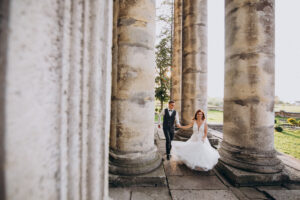
What a premarital course really improves, according to a review of 47 studies
Premarital courses are not a magic fix for happiness, but a review of 47 studies found they do help couples talk to each other.
Continue →
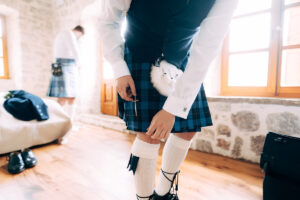
The kilt worn by many Scottish grooms owes its modern shape to an English Quaker
Many Scottish grooms marry in a kilt, yet its modern pleated form is usually credited to a Lancashire Quaker in the 1720s, and clan tartans came later.
Continue →