At Hungarian weddings, the bride slips off her shoes and sets them in the middle of the dance floor. One by one, guests pass them around and drop in a contribution, a sweet and slightly playful way of wishing the newlyweds well.
That shoe ritual is just one version of a custom known as the money dance, the dollar dance or the apron dance. It appears in many cultures, each with its own charming twist.
A tradition about support, not just cash
Whatever its form, guests give money to the couple during the reception: paying for a short dance, showering the couple with banknotes, or pinning bills onto the wedding clothes.
Behind the gesture sit three warm intentions. Guests show their support for the marriage, they offer a little financial help as the couple starts a new life together, and they send a wish for future prosperity.
Where the money dance may have begun
The money dance may have originated in Poland around the beginning of the 20th century. It takes place some time after the first dance, often once guests have enjoyed a few drinks, and is announced by the best man, the MC or the DJ.
Customarily, the best man opens the dance with the bride. He pins money onto her gown, or slips it into a purse she carries especially for the occasion, or into the pockets of an apron she wears over her dress just for this moment. In more contemporary versions, bridesmaids and other ladies join in too.
Aprons, veils and showers of bills across Europe
At Ukrainian weddings, it is usually the father of the bride who pins the first bills on her dress. The best man and groomsmen follow, and finally the rest of the male guests. In another version, the bride’s veil is removed and handed to the maid of honor, an apron is tied on, and money goes straight into its pockets during the dance.
In Balkan weddings, in countries such as Albania, Bosnia and Serbia, close relatives throw money over the couple while they dance.
From a discreet pocket to a shower of naira
In Nigeria, particularly among the Yoruba people, the tradition is called money spraying. It began in the 1940s in a far more discreet way: families would quietly place money in the groom’s pocket to help the newlyweds with their expenses.
During the oil boom of the 1960s and 1970s, it became a public celebration. Guests began throwing crisp naira notes at the dancing couple, a display of wealth and generosity tied to the lavish Owanbe parties and Juju music.
Today, guests toss notes in the air, place them on the forehead of the person being celebrated, or pin them to their clothing, for example during the first dance. Designated helpers gather the money, which helps cover the cost of the event or supports the couple’s future. It is worth knowing that the practice also faces legal challenges under Nigerian laws against the abuse of currency.
Pinned bills and a playful groom in Mexico and the Philippines
In Mexico, relatives take turns dancing up to the bride and groom and pinning money on their clothes, which gives the couple a few precious moments with each guest. Afterward, the groom’s friends tease him affectionately: he is tossed in the air while covered with the veil, then handed an apron and a broom.
At some Filipino weddings, men line up to pin money on the bride’s dress or veil before dancing with her, while women do the same for the groom. The pinned bills represent a wish that good fortune will “rain” down on the couple, along with practical help for their first steps together.
Is a money dance right for your reception
In the United States and Canada, including Puerto Rico, the custom varies by region and by the families involved. Guests typically give small sums to the bride or pin cash to her gown or veil, sometimes into an apron or pouch held by the maid of honor or a female relative. One older variation, where guests lined up to pay for a kiss from the bride, has fallen out of practice in recent years.
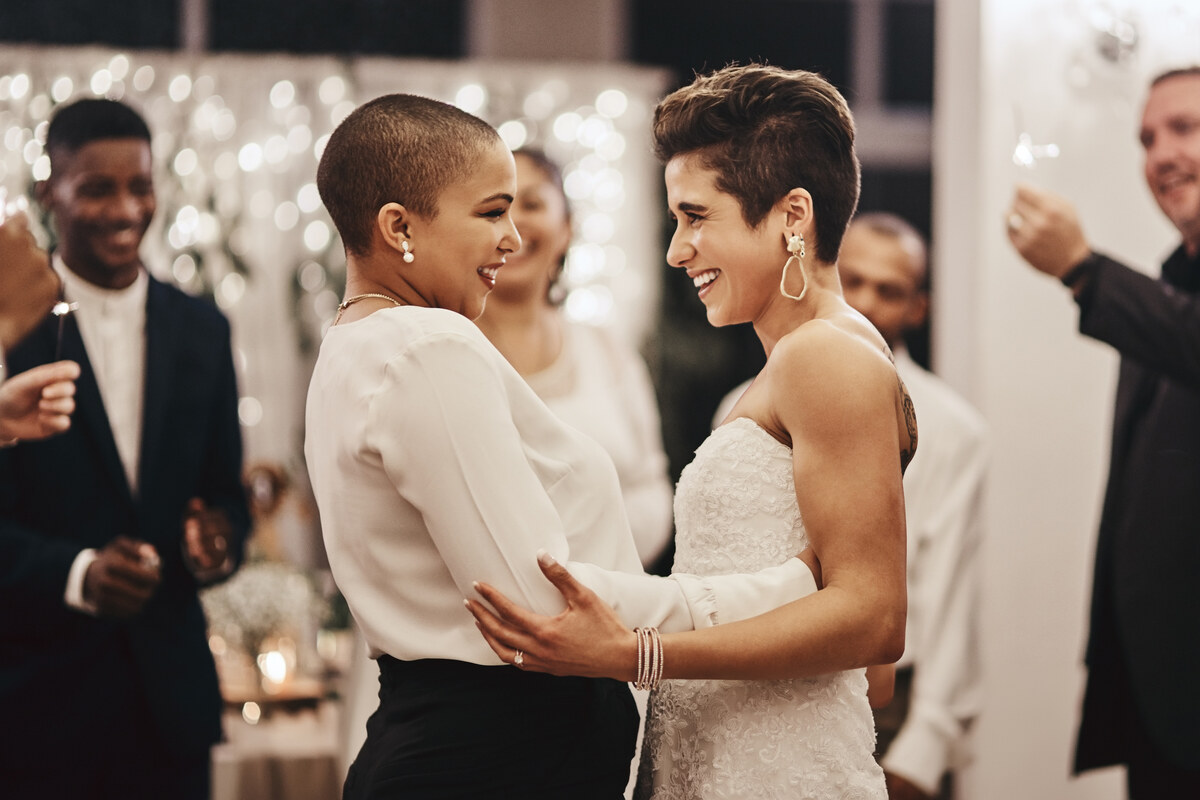
Some see it as a way for the couple to get face time with their guests: each one can dance with the bride or groom for 30 to 60 seconds and wish them luck. Some couples keep the money outright, while others save it for their firstborn child.
If this tradition belongs to one of your families, it can be a lovely way to honor it. And if it does not, borrowing its spirit, a few unhurried minutes with every guest, might be the nicest gift of all.