Long before she stood beside a bride, the maid of honor served a queen. At the Tudor court, maids of honour were young, unmarried noblewomen who attended the royal household, and some of them started remarkably young: Lady Jane Grey took on the role at around ten to twelve years old.
Here is how a royal court position became one of the most beloved roles in a modern wedding, and what it really asks of the person who says yes.
A royal job long before it was a wedding role
In royal households across Europe, a maid of honour was a junior attendant to the queen, ranking just below a lady-in-waiting. In England under the Tudors and Stuarts, a reigning queen traditionally had eight maids of honour, while a queen consort had four. Anne Boleyn had seven, plus one “mother of maids”, the gentlewoman in charge of looking after them.
The women chosen were maidens, meaning they had never been married. They were usually young members of the nobility, commonly in their sixteenth year or older. Lady Jane Grey was a notable exception, serving Queen Catherine Parr around 1546 to 1548 while still a child.
Under Mary I and Elizabeth I, a place at court worked as a kind of finishing school. Young women served there with the hope of making a good marriage. Elizabeth Knollys arrived at court as a maid of honour at just nine years old, and Elizabeth I gave gifts of clothing to her maids of honour.
Dancing at a wedding with the queen herself
Weddings could be part of court life too. In June 1600, Elizabeth I’s maids of honour danced in a masque at the marriage of Anne Russell and Henry Somerset, and the queen herself joined the dance.
The role was not always paid. Maids of honour did not always receive a fee beyond board and lodging, though some were given £10 a year in the 17th century, and a few received dowries from the monarch. In 1912, King George V granted maids of honour the style of “The Honourable”. At her coronation, Queen Elizabeth II had six maids of honour who attended her throughout the ceremony, especially carrying the trains of her robes.
How the title crossed over to weddings
The royal term is the origin of the American “maid of honor”, the bride’s chief attendant, typically her closest friend or sister, who leads the bridal party. If she is married, she is often called the matron of honor. Some brides choose a long-time male friend or brother instead, who takes the title of best man or man of honor.
In the United Kingdom, “bridesmaid” is normally used for all bridal attendants, though American influence has led to the chief bridesmaid sometimes being called the maid of honour there too.
Bridesmaids have long had a protective side too. In ancient times, the bride and her bridesmaids wore exactly the same dress and heavily veiled their faces to confuse jealous suitors and evil spirits. In feudal China, where brides could be kidnapped by rival clans, bridesmaids dressed like the bride so she would be harder to identify and take.
What a maid of honor actually has to do
Here is the reassuring part. Her only truly required duty is to take part in the wedding ceremony. Everything else depends on what she and the bride agree on together.
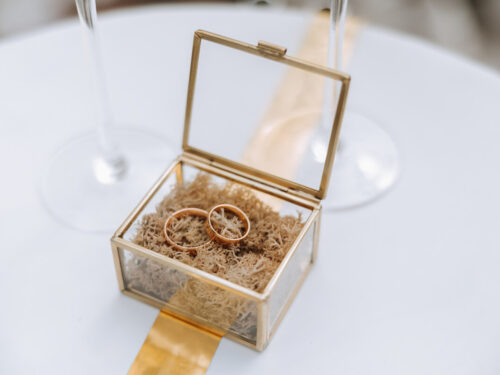
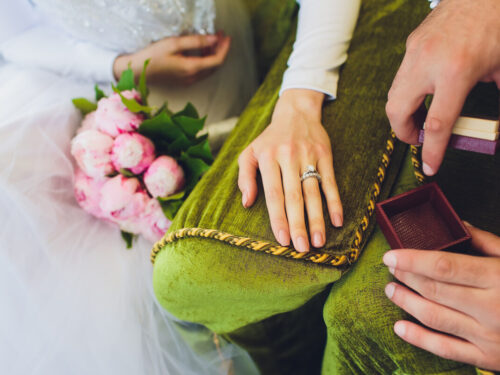
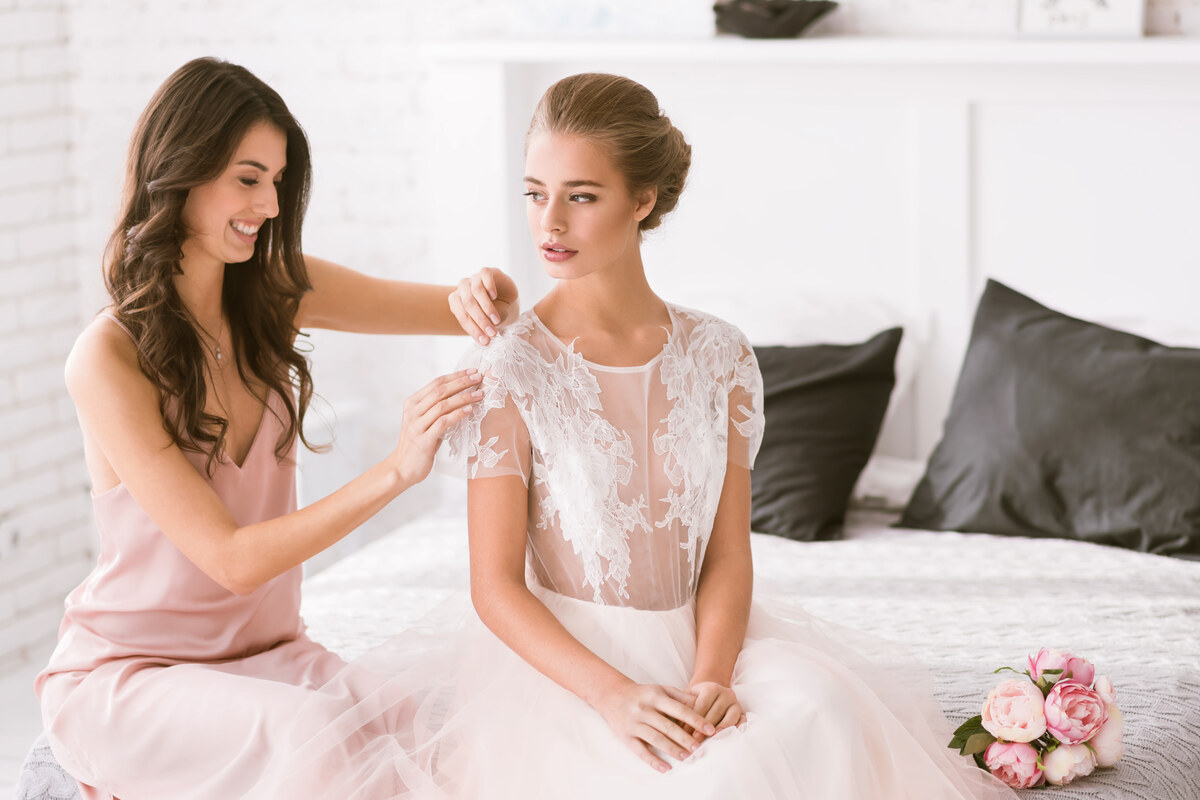
In practice, many maids of honor help with logistics such as addressing invitations, go dress shopping with the bride, and lead the bridal party in planning the bridal shower and the bachelorette party. On the day itself, her main role is practical and emotional support: helping the bride get dressed, managing the veil, the bouquet or the train of the dress, and in a double-ring wedding, often keeping the groom’s ring safe until it is needed. She may also be asked to sign the marriage license as a witness, or to give a toast at the reception.
A role built on care, not obligation
If you are choosing your maid of honor, or have just been asked to be one, a gentle conversation early on goes a long way. It is customary for someone invited into the bridal party to ask first about the time, energy and money the bride expects, and it is perfectly acceptable to say what you can and cannot give.
From carrying a queen’s train to holding a bride’s bouquet, the heart of the role has stayed the same for centuries: standing close to someone on one of the biggest days of her life, and making sure she never has to face it alone.