In a Muslim wedding, the groom makes a promise to the bride that is usually written into the marriage contract. It is called the mahr, and it belongs to her alone: not to her parents, and not to her new husband.
Whether you are planning a nikah, attending one as a guest or simply curious about how weddings work around the world, the mahr is one of the most meaningful details of the day, and one that is easily confused with other wedding customs.
A gift that once went to the bride’s guardian
The word mahr is related to the Hebrew mohar and the Syriac mahrā, meaning “bridal gift”. Originally, though, it meant something closer to purchase money.
Among pre-Islamic Arabs, a payment called mahr was already an essential condition for a legal marriage. But it was handed to the bride’s guardian, known as the wali, who could be her father, her brother or another relative. In earlier times, the bride herself received no portion of it.
Some scholars believe that shortly before the time of the Prophet Muhammad, at least part of the mahr was already given to the bride. Others describe its transformation into the wife’s own property as a “revolutionary” Quranic innovation. A similar shift had already happened with the Jewish mohar, which gradually came to be given entirely to the bride rather than her father.
In Islamic law, the mahr is a gift the groom must give the bride when the marriage contract is made, and it becomes her property. Several verses of the Quran require a groom to give a dower to his bride.
Not a dowry, and not a bride price
The mahr is sometimes translated with words that do not quite fit. A dowry is money or possessions a woman brings to the marriage, usually provided by her own family. A bride price is paid by the groom or his family to the bride’s parents, not to the woman herself.
The mahr works the other way around on both counts. It goes from the groom directly to the bride, and as her legal property, it gives her financial independence from her parents and, in many cases, from her husband, who has no legal claim to it.
The English word dower comes closest, but even that differs. A dower was optional and usually paid only after the husband’s death, while the mahr is required in every Islamic marriage and must be specified at the time of the wedding. If the contract ever leaves the amount out, the husband must still give his wife a fair sum.
Anything from land to a simple iron ring
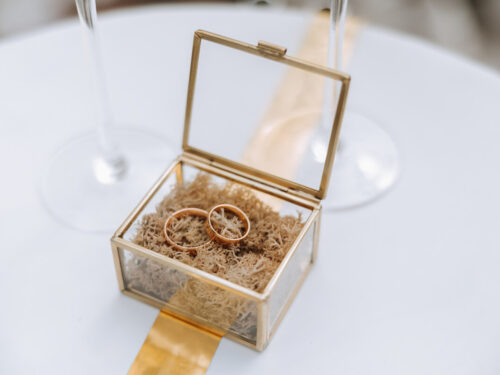
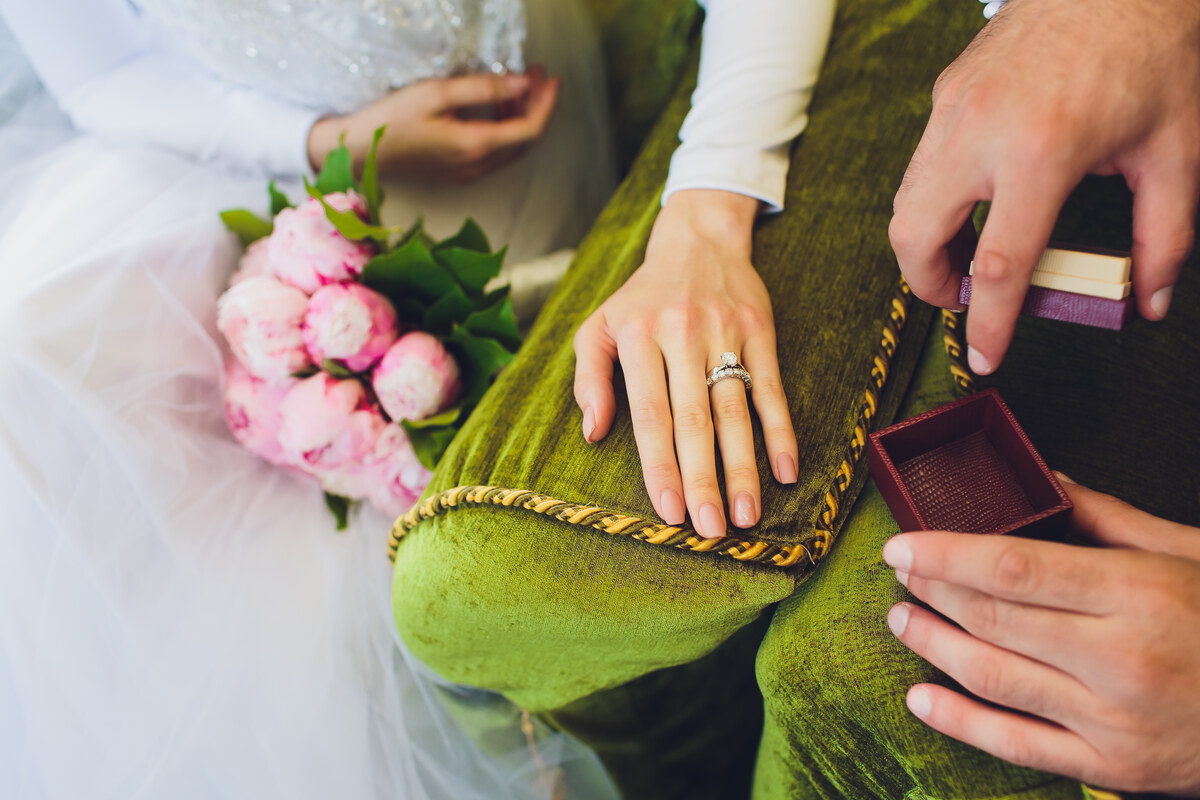
This is where the mahr becomes surprisingly personal. It is often money, but it can be anything the bride agrees to: jewellery, home goods, furniture, a home or a piece of land. It can even take the form of the groom teaching her verses from the Quran.
According to one hadith, the Prophet Muhammad said the mahr should be “one gold piece”, and another tradition records that even an iron ring can serve as mahr. What matters is not the size of the gift but that it is promised, written down and honored.
In practice, the amount is often negotiated between the parents or guardians of the couple. A typical contract includes the names of the bride and groom, the amount of the mahr, the signature of a cleric and the signatures of two male witnesses.
Why it is often given in two parts
The mahr is frequently split. The prompt part, called the muqaddam, is given to the bride at or right after the ceremony. The deferred part, called the mu’akhar, is promised for a later date agreed by the couple, and it is often the larger of the two.
A deferred mahr is no less binding. It is considered a debt the husband owes his wife, and it is meant to support her in case of a sudden death, a divorce or another emergency. If the husband dies, it is paid from his estate before all his other debts.
If you are preparing a Muslim wedding, it helps to talk about the mahr early and openly, and to choose something that feels meaningful to you both. Courts in Western countries have tended to treat mahr provisions much like a prenuptial agreement, so writing the terms clearly protects everyone. Above all, it is a promise made to the bride herself, a beautiful thought to carry into your wedding day.