In a number of indigenous communities across Mexico and Central America, the most extravagant huipil a woman ever owns is the one made for her wedding, and it is then carefully put away to be used again at her funeral.
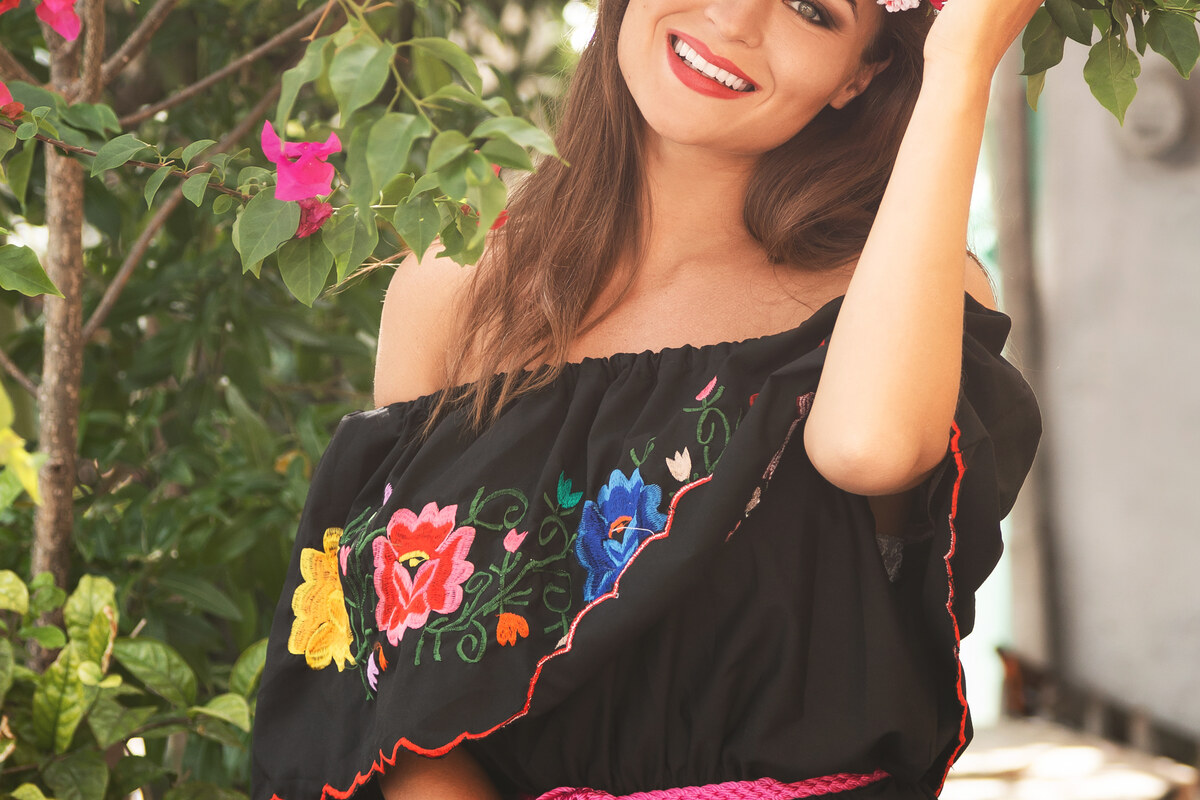
The huipil is a loose-fitting tunic, the most common traditional garment worn by indigenous women from central Mexico to Central America. For a bride, it is far more than a piece of clothing. It is something she will keep for life.
A tunic woven to size and never cut
A huipil is generally made from two or three rectangular pieces of cloth, joined with ribbons, small strips of fabric or intricate stitching. The panels are not sewn with ordinary seams, so the join itself becomes a layer of decoration.
The most traditional ones are woven on a backstrap loom, and the pieces are woven to size and never cut. Cloth destined for ceremonial huipils usually carries designs woven right into the fabric, which can signify history, cultural identity or something personal about the wearer.
One garment for the wedding, and for the last farewell
Many women own an everyday huipil and another worn only on special occasions such as weddings. In a number of communities, the wedding huipil is stored away after the ceremony. In others, a special huipil is begun when a woman reaches a certain age, with the same purpose in mind.
It is a tender idea: the garment that marks the start of a marriage is also the one that stays with her to the end.
Three wedding huipils, three budgets
In Ojitlán, Oaxaca, Chinanteca women choose among three classes of wedding huipil. The first, called “gala” or “red”, used to be the traditional wedding dress, but few families can afford it today because of its cost.
The second, called “pavo”, is similar but with a less intense red and smaller designs. The third, “pájaros y palomas” (birds and doves), is the most economical and easy to find in markets. It is white, with birds and other animals in vivid, contrasting colors. It was once reserved for women of middle age or older, but many brides have since adopted it.
White feathers for a good marriage
In Zinacantán, Chiapas, the ceremonial huipil is made of white cotton. A red line marks off the chest, and inside it white chicken feathers are delicately fastened with white, blue or green thread. The lower border has a fringe in the same materials and colors.
It is the only garment in Mexico that still uses the pre-Hispanic art of featherwork, and it is often worn for weddings because it is believed to ensure a good marriage. Other white wedding huipils are found in Pinotepa Nacional, Chopan and Cotzocón in Oaxaca. In Pinotepa Nacional, the decoration includes animals, flowers, human figures, moons, suns, fish and insects.
Dressing is a ritual in itself
In the Isthmus of Tehuantepec, women wear a second, usually white huipil for special occasions, which frames the face and extends over the head, covering the neck and shoulders. It is called a “huipil de tapar” (covering huipil).
Whatever the region, putting on a ceremonial huipil is a kind of ritual. As her head passes through the neck opening and her arms form a cross, the wearer becomes the center of a symbolic world, between heaven and the underworld.
A keepsake worth knowing about
Most modern brides will never plan a dress for two occasions. Yet the huipil tradition offers a lovely idea for any wedding: choose something made with care, with meaning woven into it, that you will want to treasure for decades.