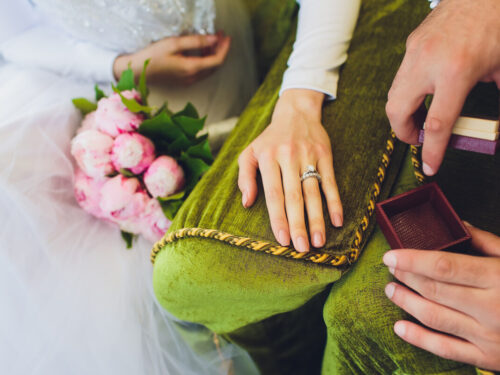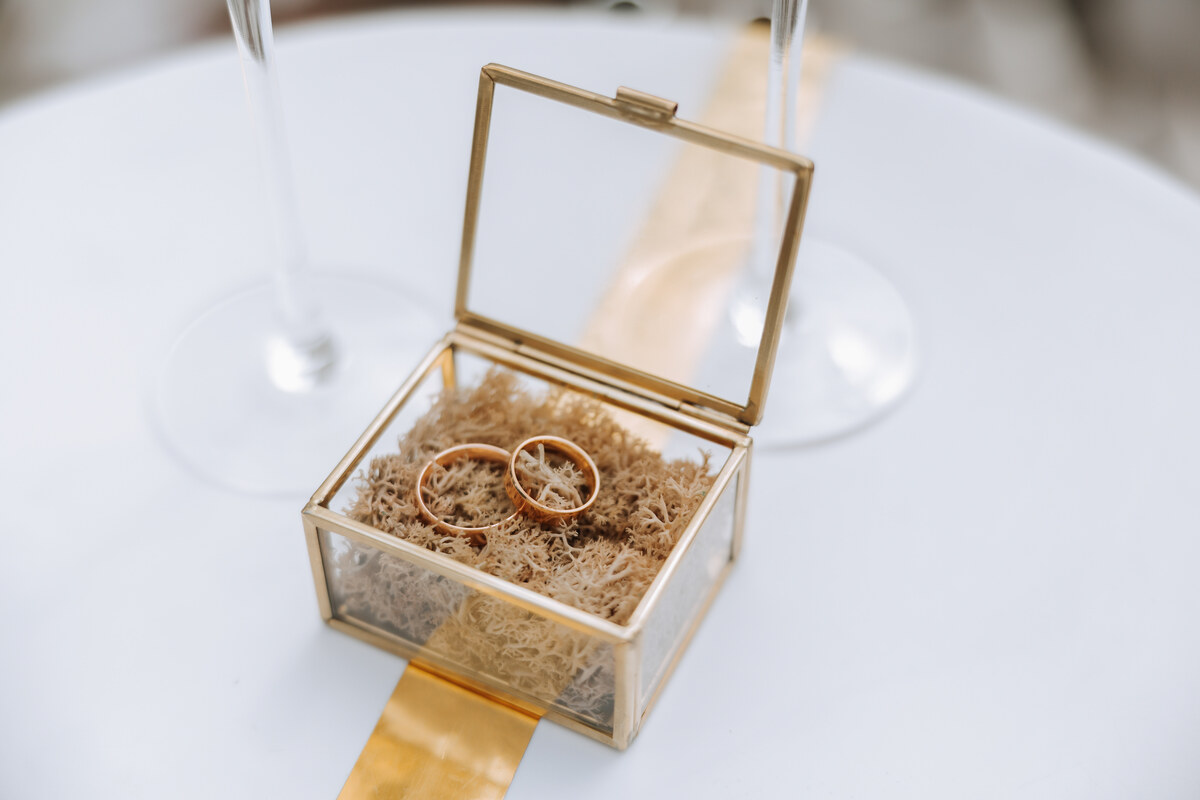
In many families that practice a bride price, the money does not simply change hands and stay there. In Thailand and in China, part of it, or even all of it, often travels straight back to the couple.
That detail says a lot about what the payment is really meant to do.
What a bride price actually is
A bride price is money, property or another form of wealth given by the groom or his family to the bride or her family. It is found in many East Asian countries, across the Middle East, in parts of Africa and in some Pacific Island societies. The amount can be a token or a very large sum.
Early twentieth-century writers often called it the purchase of a woman. The French anthropologist Philippe Rospabé argued otherwise. In his view, it is a purely symbolic gesture that acknowledges, but never pays off, the groom’s permanent debt to the bride’s parents. The payment is often made in a kind of currency that is not used for everyday trade, which supports that reading.
Why part of it comes back
In Thailand, the bride price is called sin sod and is paid at the engagement ceremony. It traditionally includes cash, Thai gold (96.5 percent pure) and, more recently, a diamond ring. The most common explanation is that it lets the groom show he has the means to support his bride after the wedding.
Once that message has been delivered, the money often moves again. In many cases, especially when the amount is large, the bride’s parents return all or part of it to the couple as a wedding gift after the engagement.
Chinese tradition follows a similar rhythm. Several weeks before the wedding, the groom and a matchmaker visit the bride’s family for a ceremony called guo da li, bringing wedding cakes, sweets and jewelry along with the bride price. On the wedding day itself, the bride’s family returns a portion of it, sometimes as a dowry, plus a set of gifts as a goodwill gesture.
Customs that look different up close
Among Assyrians, the bride price is called niqda. Both families negotiate the amount, and the payment usually happens on the doorstep before the bride leaves her home. The groom’s father may kiss the hand of the bride’s father to show his gratitude, and the moment is often filmed for the wedding video, followed by folk music and dancing.
In Southern Africa, the tradition is known as lobola (also roora) among the Xhosa, Shona, Venda, Zulu and Ndebele. It can include cattle, goats and money, and the animals are an integral part of the ceremony during and after the wedding itself.
In much of Central Asia today, the payment, called qalin or kalym, is mostly symbolic, anything from a small sum or a single animal to a herd, depending on local custom.
How it differs from a dowry or a mahr
It helps to keep the terms apart. A dowry is given by the bride’s side, as in medieval Europe, where families offered land, cattle and money. It tends to exist in societies where capital matters more than manual labor. Bride wealth tends to appear where labor matters more, as in Sub-Saharan Africa.
A dower, or the Islamic mahr, goes to the bride herself rather than to her family. In traditional Jewish weddings, the ketubah replaced the payment to the bride’s father with a financial protection for the wife, and the groom still gives an object of value, such as a ring, to meet the requirement.
A thoughtful way to talk about it
If you are marrying into a family that follows this custom, or you are curious about your own, ask what each part of the exchange is meant to say and what comes back afterward. The answer is often more generous than the first impression, and it can make the conversation between two families much easier.