In a traditional Chinese wedding, the feast could matter even more than the ceremony itself. It was not one party but two, one on each side of the family, and each had a very specific job to do.
The banquet with a name that means joyful wine
The Chinese wedding banquet is known as xǐjiǔ, which translates as “joyful wine.” According to historical accounts of traditional Chinese marriage, it was sometimes far more important than the actual wedding ceremony.
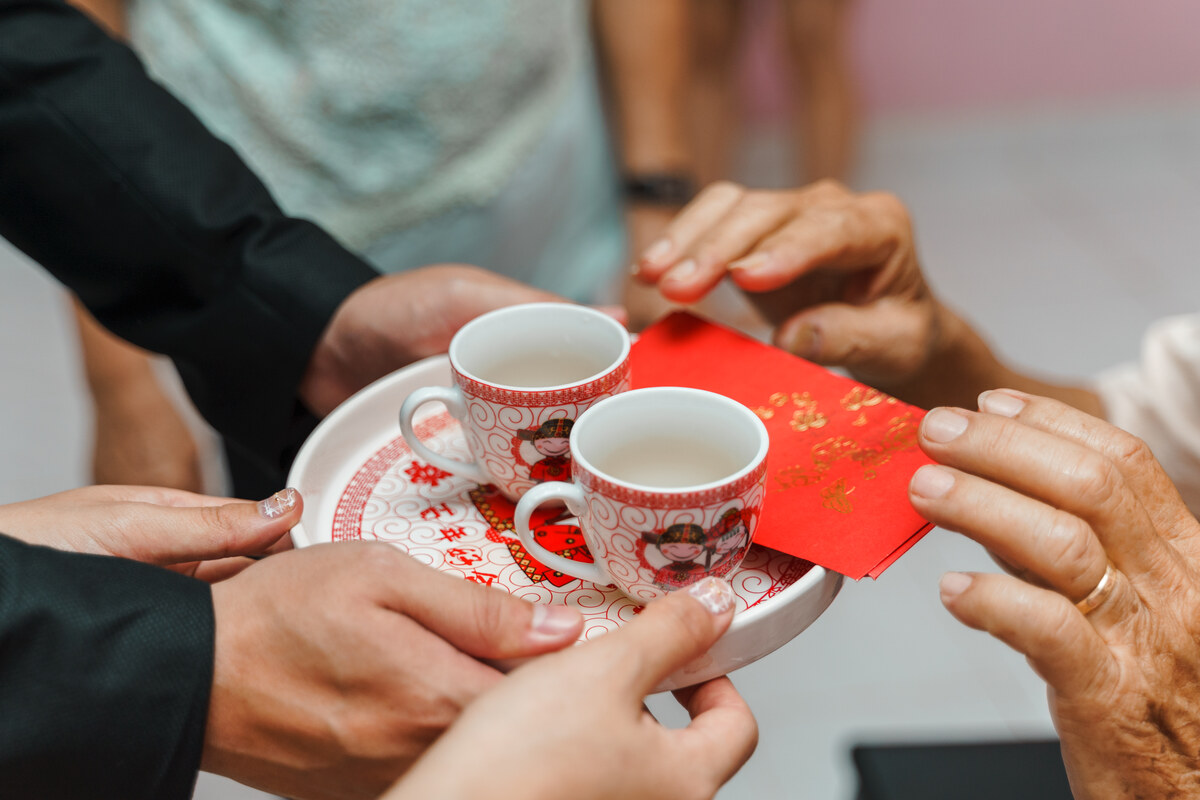
During the celebration, the bride presented wine or tea to her parents, to the guests and to her new spouse. It was a way of showing respect, offered cup by cup to the people who mattered most to the day.
Two banquets, one for each family
Tradition called for two separate banquets. The primary banquet was hosted on the bride’s side, and a second, smaller one was held on the groom’s side. The father of the bride was responsible for the banquet on her side, as well as for the alcohol served at both.
The groom, by custom, was not expected to pay for the wedding itself, the banquet invitations or the sweet treats, often pastries, that went out with them.
Why two? The wedding itself was often shaped by the couple’s own choices, but the banquets were something different. They were a gesture of thanks to the people who had raised the bride and groom. They also made sure the relatives from each side actually got to meet one another.
What was on the table
A banquet usually ran to five to ten courses. Menus could include shark fin, abalone, lobster, squab, sea cucumber, swift nests, and fish roe, which was served in soups or used to decorate a dish as a symbol of fertility. Local delicacies often joined the line-up too.
Because the banquets honored the older generations, they were usually done formally and in the traditional way. The idea was simple: grandparents and parents should feel comfortable at a celebration held partly for them.
After the feast
In some places, the evening did not end with the last course. Relatives or friends would playfully tease the newlyweds, which was meant to help the couple stop feeling shy and grow more at ease with each other.
On the third day of the marriage, the new couple went back to the bride’s parents’ home, where a dinner party with relatives welcomed them.
What has changed today
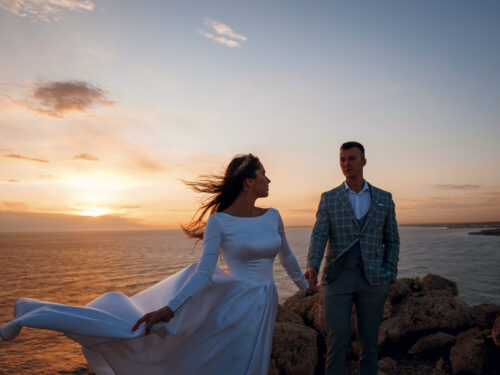
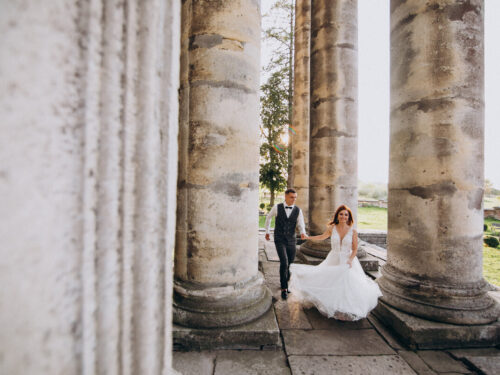
Modern couples mix and match. Today the bride generally picks red, following Chinese tradition, or white, in the more Western style.
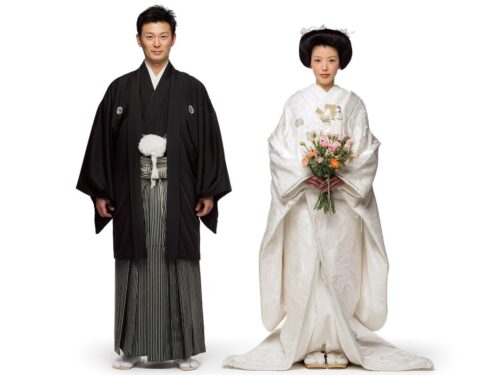
Another modern habit appeared in the late 1990s: the elaborate wedding album, often taken at a photography studio. It typically features the couple in many locations and many outfits, but, unlike a Western wedding album, it does not include pictures of the actual ceremony. In Singapore, those outfits can even include wedding clothes from other cultures, such as Arab and Japanese dress.
An idea worth borrowing
You do not need to host two banquets to take something from this tradition. The heart of it is that a wedding meal can be a thank-you to the people who raised you, and a chance for two families to finally sit down together. If your planning list feels long, that is a lovely way to decide where the effort should go.