If you have been feeling guilty about a modest honeymoon, here is some welcome news. A 2015 scholarly study found that couples who went on a honeymoon had a somewhat lower risk of divorce, and how much they spent on the trip did not seem to matter at all.
That finding takes a lot of pressure off a trip that many couples feel they have to get perfect. It also fits surprisingly well with where the honeymoon actually came from, which was never about luxury in the first place.
What the study actually found
Going on a honeymoon was associated with a somewhat lower risk of divorce, regardless of how much or how little was spent on the honeymoon itself.
The same research pointed in the opposite direction for other wedding costs. High spending and significant debt on things like engagement rings and wedding ceremonies were associated with a higher risk of divorce.
It is worth reading this gently. An association is not a promise, and no study can predict what happens in one particular marriage. But the takeaway is a kind one: the value of a honeymoon seems to come from taking the time together, not from the price tag attached to it.
The first honeymoons were family visits
The custom of newlyweds travelling together began in early 19th century Britain. Upper-class couples set off on a “bridal tour”, and they were not always alone. Friends or family sometimes came along, and the main purpose was to visit relatives who had not been able to attend the wedding.
The idea soon crossed the Channel. From the 1820s onwards, the French called it a voyage à la façon anglaise, a voyage in the English fashion.
The honeymoon as we picture it today, a pure holiday for the couple alone, only became widespread during the Belle Époque in the late 1800s. It was one of the first examples of modern mass tourism.
A sweet word with a bittersweet past
The word itself is older than the trip. Since 1546, “honeymoon” has described the first stretch of married life, a time characterized by love and happiness, and it may allude to the idea that the first month of marriage is the sweetest.
The original image was a little more wistful, though. The Oxford English Dictionary explains that it compared the affection of newlyweds to the changing moon, “which is no sooner full than it begins to wane”. In 1552, Richard Huloet described the “hony mone” as the time when a newly married couple love each other exceedingly, before that love is likely to settle down.
You may have heard that the name comes from a custom of drinking honey mead for thirty days after a wedding. That theory dates from the 19th century and has since been challenged. The first recorded use of “honeymoon” for the trip after the wedding appeared in 1791, in a translation of German folk stories, and the first native English use followed in 1804.
How couples honeymoon today
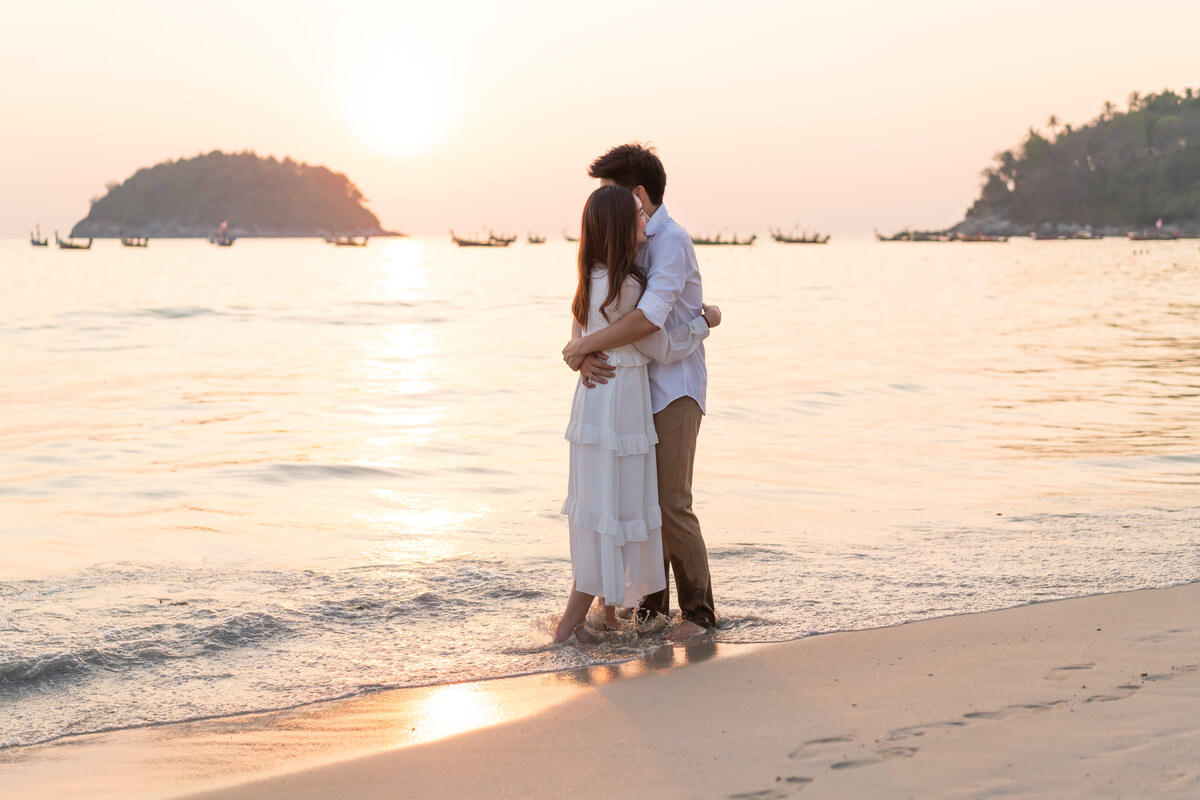
According to The Knot’s 2023 Global Wedding Report, an average of 75% of couples across the 15 countries surveyed took a honeymoon. The trip is most popular in European countries, while fewer than half of couples in India take one. Beach resorts are the favourite choice for many.
In the United States, the average couple spends $4,500 on their honeymoon. Niagara Falls was a popular American destination in the 1980s, but it has become less favoured since, as the cost of air travel has increased.
Some newlyweds now choose a “solomoon” or “unimoon”, a separate solo holiday for each spouse. A New York Times report described it as “particularly suited for couples who just cannot agree on where to go”.
Plan the trip that fits your life
If your budget is already stretched by the wedding, the research offers real permission. A weekend away, a road trip or a quiet few days at home can still be your honeymoon. What seems to matter is making space to enjoy each other before everyday life picks up again.
And if relatives missed your wedding, you would be in good company by paying them a visit together. That is exactly how the very first honeymoons began.