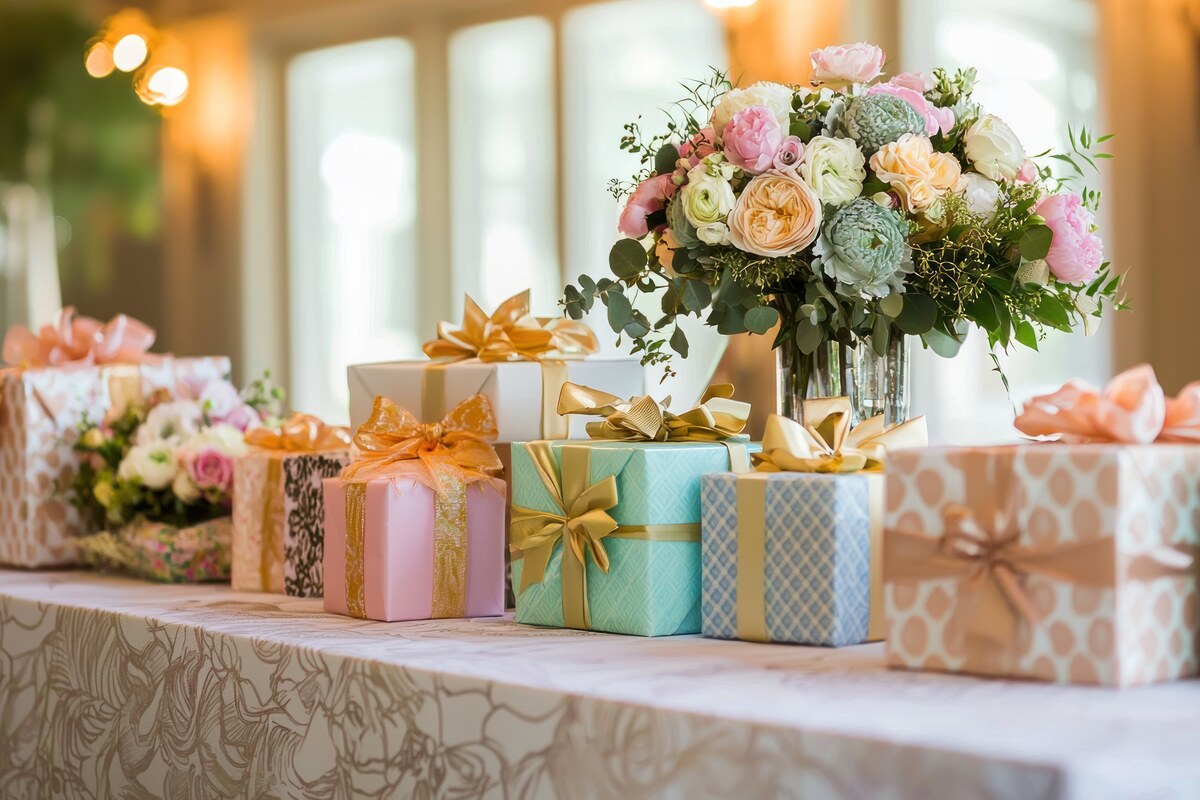
A study that looked at 555 real wedding registries found something most couples would not expect. The items sitting right in the comfortable “average” price range, the ones that feel like the safest thing to add to a list, are actually the least likely to get bought. Guests, it turns out, tend to go one of two other directions instead.
The gift everyone assumes is the safest bet
When couples build a registry, the instinct is usually to fill it with items priced somewhere in the middle. Not too expensive to feel like an imposition, not too cheap to feel like an afterthought. It seems like the logical sweet spot.
But when researchers actually tracked what got purchased across those 555 registries, that middle band of prices turned out to be the one guests skipped most often. The items that got snapped up fastest sat at the two opposite ends of the price range instead.
Why the middle gets left behind
The likely explanation comes down to competing motivations among guests. Some want to be remembered for giving something a little more generous or impressive, so they reach for a higher priced item on purpose. Others are working within a tighter budget of their own, so they look for something smaller and more affordable.
Both groups skip right past the average priced items in between. It is not that guests do not care, it is that very few people are actually trying to land in the exact middle of a list.
A Chicago department store started it all in 1924
The wedding registry itself is less than a century old. It was invented by Marshall Field’s, the Chicago department store, in 1924, letting couples formally declare their chosen china, silver and crystal patterns so family and friends would not have to guess.
The version most couples use today, the searchable online list, is much newer still. Target pioneered electronic self-service registries in 1993, built on technology from a Minneapolis company called the Gift Certificate Center. In the decades since, the concept has splintered into honeymoon registries, house registries and even charity registries, giving guests far more range than china patterns alone.
What this means for your own list
If the goal is a registry that actually gets fully purchased, the data suggests spreading items across a wider range of prices rather than clustering everything around one comfortable average. A few smaller, lower priced items give budget conscious guests an easy yes. A few bigger, more memorable ones give the guests who want to be generous something worth reaching for.
It is a small shift in thinking, but a useful one. The “safe” middle was never actually the safest choice, it was just the easiest one to default to.