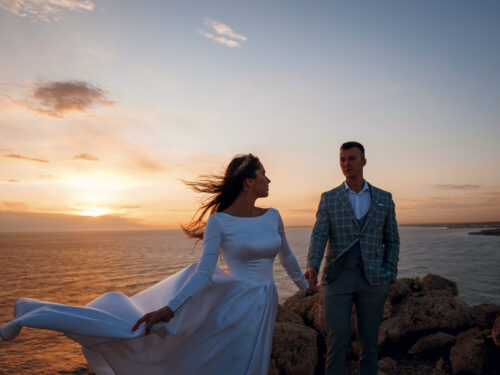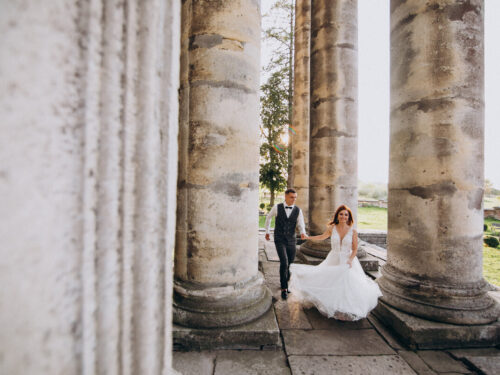
Lake Como and Tuscany are two of the most dreamed-about wedding destinations in the world. But for couples from the United States, saying “I do” in Italy starts long before the flowers and the view, with sworn legal statements made in two different countries.
A destination wedding is more than a venue booking
It is easy to picture a destination wedding a little like a vacation: pick a beautiful place, book a venue, invite the people you love and travel together for a few days. That is part of it, and it is also why so many couples fall for places like Lake Como, Tuscany, Santorini or Paris.
The part that rarely makes it into the dream board is the paperwork. Marrying abroad can require multiple sworn legal affidavits from consulates in two different countries, and the exact steps depend on where you come from and where you plan to marry.
Italy is a good example of how detailed this can get, and knowing the basics early can save a lot of stress later.
The two documents US couples need to marry in Italy
For US citizens who want to marry in Italy, there are two key sworn documents to know about.
The first is the Nulla Osta, an affidavit sworn at the US consulate in Italy. The second is the Atto Notorio, which is sworn either at the Italian consulate in the United States or before an Italian court.
In other words, the process can involve a stop on each side of the ocean. And once both documents exist, they are not quite finished yet: each one then requires formal legalization before it can be used.
None of this is meant to scare anyone away from an Italian wedding. It simply means the legal side deserves its own spot on the planning timeline, right next to the venue and the dress.
Some countries have a simpler path
Not every couple goes through the same process. Some countries have bilateral agreements that make things easier. In those cases, couples can get a simpler “No Impediment” form from their home registrar, which is then translated by the consulate in the destination country.
That difference is exactly why it helps not to rely on a friend’s experience or a generic checklist. Two couples marrying in the same Italian village can face two completely different sets of paperwork, simply because they hold different passports.
Why a local wedding planner is so useful here
This is where a wedding planner based in the destination earns their place. Destination weddings create genuine legal complexity, and a local planner is the one who actually knows which path applies to you: the sworn affidavits, the No Impediment route, or something else entirely.
It is also worth remembering that wedding planning is a younger profession than most people think. Hiring a professional planner only became a recognized job in the 1990s. Before that, the whole organizational burden of a wedding usually fell on the bride’s mother or sister, who would have had to untangle all of this on their own.
Today, planners usually offer three levels of service. A comprehensive package covers everything from the budget to vendor contracts and emergency backup plans. A partial package focuses on specific vendors and day-of logistics. And day-of coordination manages the event itself without organizing anything beforehand. For a wedding abroad with legal steps involved, the fuller packages are often where that local knowledge really shows.
A gentle plan for your Italian wedding
If Italy is calling you, let it. The romance of a lakeside or countryside ceremony is real, and the paperwork is simply one more thing to plan with care.
Start by checking which documents apply to your nationality, give yourself time for each affidavit and its legalization, and consider bringing in a local planner who knows the process from the inside. That way, when the big day comes, the only thing left on your mind is the person waiting for you at the end of the aisle.