Elopement sounds like a midnight escape from disapproving parents. Yet in Lebanon, some couples fly to Cyprus for a civil wedding even when both families have already said yes.
The word has more layers than most of us think, and the stories behind it are as warm and surprising as any wedding tradition.
What an elopement really is
An elopement is a marriage conducted in a sudden and secretive way, often after a hurried journey away from home, with the aim of marrying without parental approval. It is different from an abduction, where one partner has not consented, and from a shotgun wedding, where parents pressure both people into marrying.
Today the word is also used for any small, inexpensive wedding, even when parents know all about it. That use is still debated, but it shows how far the idea has travelled. Searches for elopement photography ideas on Pinterest rose by 128 percent in 2019, and terms like “elopements at city halls” and “elopements in forests” grew too.
Why England made running away so tempting
In England, a Christian wedding requires the banns to be read aloud on three Sundays in the three months before the ceremony. A civil wedding requires a notice posted for 28 clear days. The rules were meant to prevent bigamy and unlawful marriages, but they also gave warning to parents, who sometimes objected for purely personal reasons.
The workarounds were a special licence from the Archbishop of Canterbury, or fleeing to a place where the law did not apply.
Runaway marriages across Southeast Asia
In the Philippines, the tradition is called tanan. A woman leaves home without her parents’ permission, usually at night, while her partner waits nearby. By morning her family has no idea where she has gone. It often follows an arranged marriage that is about to happen, or parents who dislike a suitor.
In Indonesia it is kawin lari, literally “runaway marriage”, and in Malaysia kahwin lari, “marriage on a run”. Both happen when a family withholds permission. In Malaysia, some couples marry across the border when the dowry is too high. The catch is paperwork: a marriage that is not registered under Islamic family law can cause problems later with inheritance, divorce, pilgrimage travel and registering a child’s birth.
When the Kurdish Mangur tribe celebrated love marriages
Not every culture frowned on running away. Among the Mangur tribe of the Kurdish Bolbas confederation, love marriages were called radu khstn, meaning “chased after”. Elopement was considered honorable if the bride’s family had repeatedly refused her lover and she finally took matters into her own hands. Many Bolbas women had at least one love marriage in their lives, and it was seen as an honor. The tribe kept the practice alive until the 1980s.
The Lebanese couples who elope with full approval
The most surprising case comes from Lebanon. As discussed in Lara Deeb’s book Love Across Differences, couples may hold a civil wedding abroad, typically in Cyprus, despite having their parents’ full approval. The reason is legal: it lets them bypass Lebanon’s sectarian personal status laws, which matter when partners come from different religious communities.
Some also choose this route to shield their parents from social judgement, since marriages across sects can provoke backlash. By eloping, the couple takes full responsibility for the decision. In these cases, elopement is a practical solution rather than an act of rebellion.
What this means for your own plans
If you are dreaming of a small wedding, a quiet city hall ceremony or a forest vow exchange, you are part of a long story. Elopement has meant escape, protest, honor and paperwork, depending on where and when you ask.
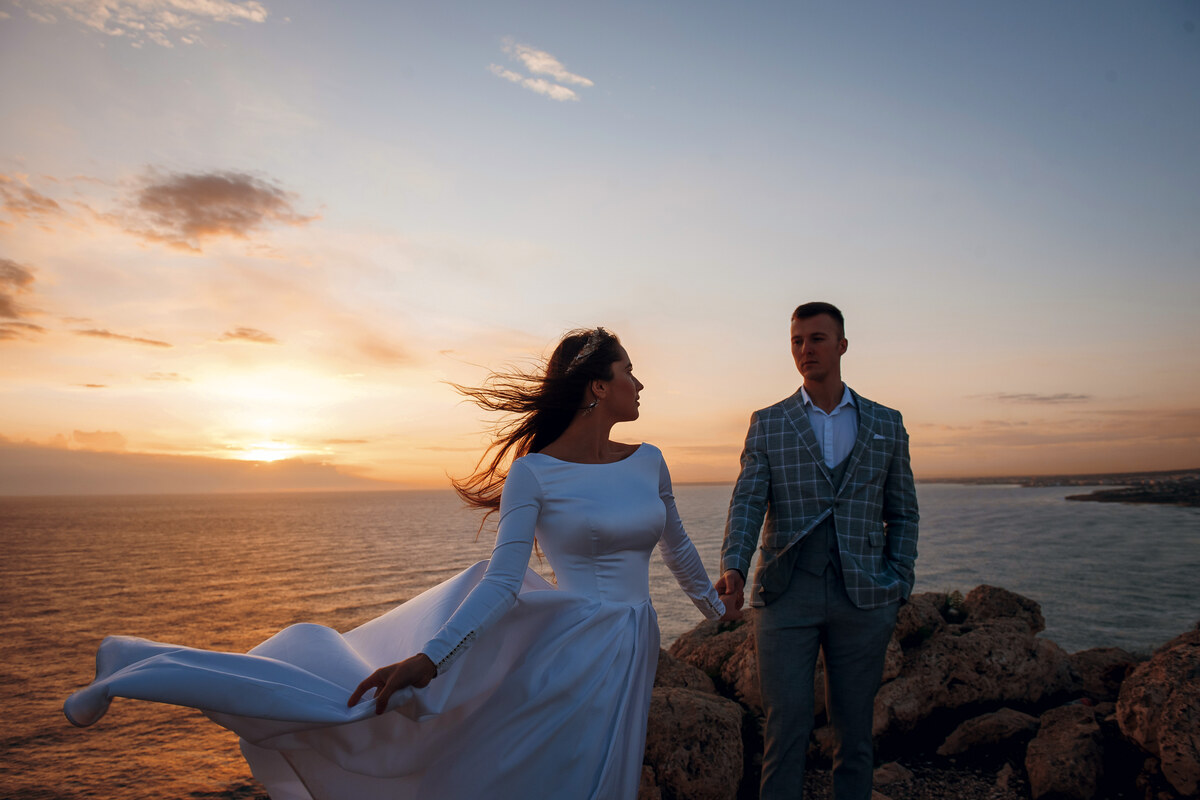
Whatever you choose, check how your marriage will be registered where you live. A beautiful sunset ceremony is wonderful, but the official record is what keeps everything simple afterwards.