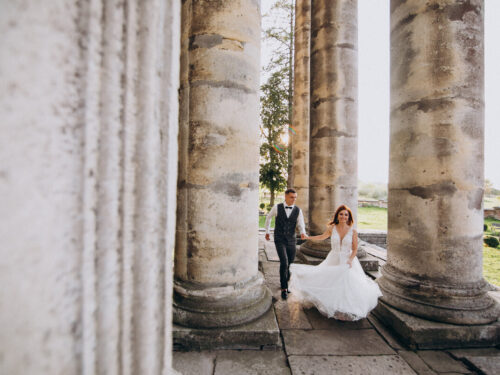
Hiring a wedding planner only became a recognized job in the 1990s. Before that, the entire weight of organizing a wedding usually landed, unpaid, on the bride’s mother or sister.
It is easy to assume wedding planning has always looked the way it does now, a polished industry with contracts, packages, and portfolios. In reality, it is barely a 30 year old profession, and knowing how it grew, and what planners actually spend their time on, makes it much easier to decide whether you need one, and which part of the job to actually pay for.
A job that barely existed 30 years ago
Before the 1990s, there was no real job description for a wedding planner. The organizational burden, the guest list, the vendors, the timeline, the emergencies, fell informally on whoever in the family had the time and patience for it, almost always the bride’s mother or sister.
What changed was not the wedding itself, but the lives of the women who used to carry that load. As more women began working full time, with disposable income but far less free time, the market shifted toward paying a stranger to do the job a relative used to do for free.
The profession that grew out of that shift is now largest in the United States, India, western Europe, and China, four very different wedding cultures that all landed on the same solution.
What a wedding planner actually offers
Most planners work in three tiers. A comprehensive package covers everything from budget to vendor contracts to backup plans for the day itself. A partial package is scaled down, focused on specific vendors and day-of logistics. Day-of coordination is the lightest option, the planner did not organize anything beforehand, but shows up to manage the event, deliveries, vendor questions, and whatever goes sideways.
Comprehensive planners in particular can end up doing far more than logistics. Many act as an artistic collaborator on the overall look of the day, a contract negotiator with vendors, and, for a lot of couples, something closer to an informal confidante through months of decisions and stress.
The single service couples ask for most
Given all of that, it would be reasonable to guess that full planning packages are the most commonly hired service. They are not. One of the single most requested individual services is far narrower, and far less glamorous: simply managing invitations and tracking RSVPs.
It is a small, unglamorous detail that says a lot about where the real stress of wedding planning actually lives. Not the flowers, not the venue, but the slow, ongoing task of knowing exactly who is coming.
Where a planner quietly earns their fee
Destination weddings show the other side of what a planner is actually useful for: paperwork. Marrying abroad is rarely just a venue booking. US citizens marrying in Italy, for example, need a Nulla Osta affidavit sworn at the US consulate in Italy, plus an Atto Notorio sworn either at the Italian consulate in the US or before an Italian court, and both documents then require formal legalization before the wedding can happen.
Some countries simplify this considerably through bilateral agreements, letting couples request a simpler No Impediment form from their home registrar instead, which is then translated by the consulate in the destination country. Knowing which path actually applies to your two passports is exactly the kind of maze a local planner is hired to solve.
If you are deciding whether to bring in help, it is worth thinking less about the full package and more about where your own time and patience are actually running out, whether that is a mountain of RSVPs, a foreign consulate’s paperwork, or simply having someone else absorb the small emergencies on the day itself.